





When considering a custom high-performance home, few decisions impact its long-term health, comfort, and sustainability as much as the wall framing choice. At Locspec, we’re often asked whether steel or timber is better. While both materials have their place in Australian construction, our preference leans towards sustainably sourced, untreated or low-tox timber framing—especially when building with health, breathability, and performance in mind.
Timber Framing: Natural, Breathable, and Built for Healthy Living
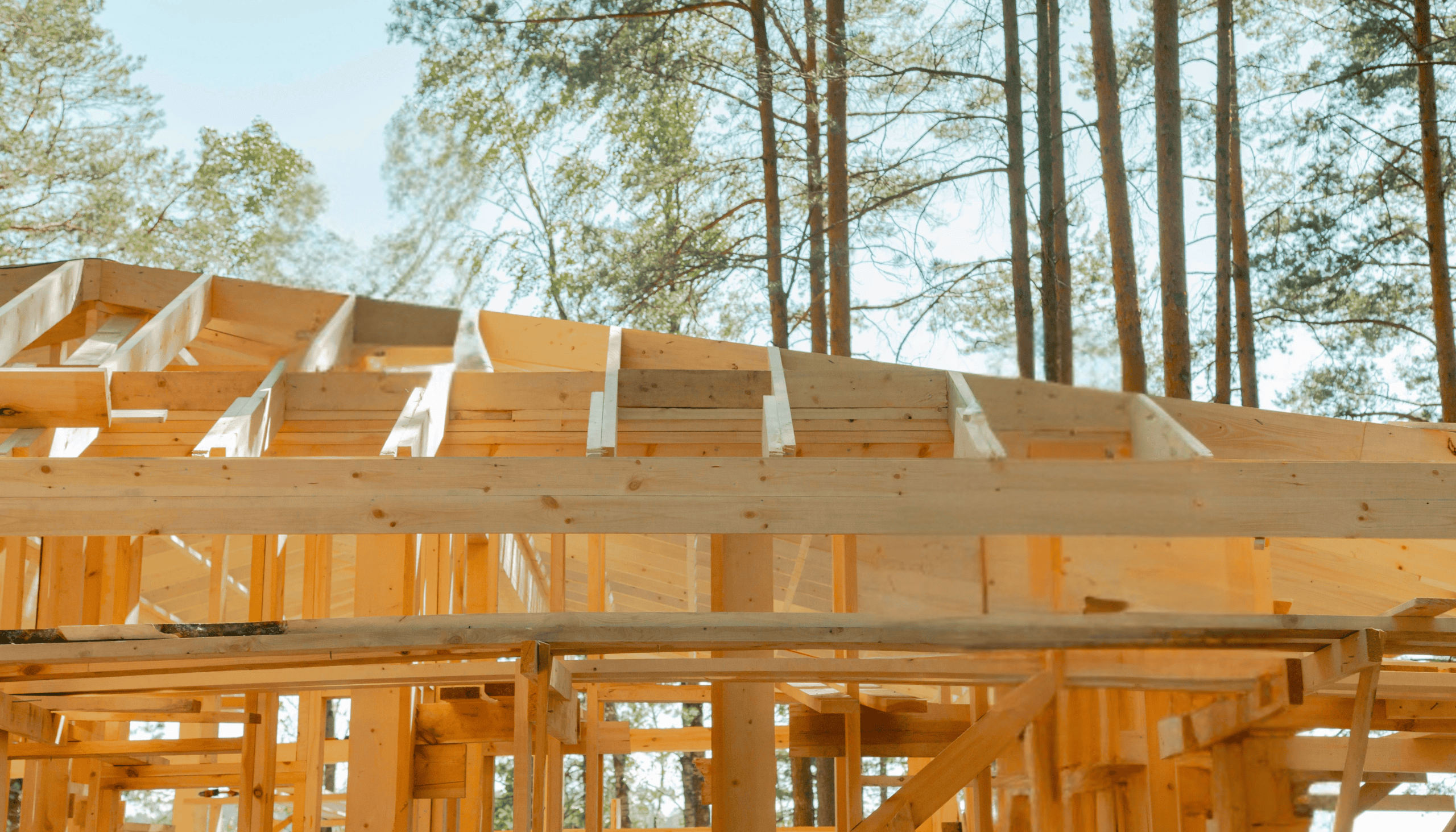
Timber is more than just a structural element—it’s a living, breathing material that plays a direct role in indoor air quality and occupant health. Here’s why:
- Vapour Permeability & Hygroscopic Behaviour: Timber can naturally absorb and release moisture, which helps control indoor humidity levels and reduce the risk of condensation and mould. It works especially well when combined with breathable building wraps and cavity battens—standard practice in Locspec homes.
- VOC or Volatile Organic Compound Absorption: Timber can absorb airborne chemicals (like VOCs), helping create cleaner, healthier indoor air. This makes it a great match for families choosing low-tox paints, cabinetry, and finishes.
- Natural Insulation: Timber slows down heat transfer, helping keep your home warmer in winter and cooler in summer. Unlike steel, it doesn’t act as a thermal bridge, which helps prevent cold spots and condensation.
- No EMF Amplification: Steel can conduct electricity and potentially spread electromagnetic fields (EMFs) through a home. Timber doesn’t, which is a plus for those concerned about EMF exposure.
Common Timber Challenges—and how Locspec manages them
Yes, timber has its vulnerabilities—but with the right systems in place, these are easily managed:
- Moisture Control: Timber must be dry (under 15% moisture) when sealed. We check moisture levels onsite and dry it if needed before wall wraps go on.
- Weather Protection: We get the weatherproofing layer installed quickly to protect the frame from rain.
- Timber Selection: Where possible, we use naturally durable species like ironbark or blackbutt, as listed in the Mullum Creek Timber Guide. These species need less or no chemical treatment.
- Termite Management: We use physical termite barriers and recommend regular inspections—avoiding the need for chemical sprays.
Steel Framing: When it’s useful, when it’s not
Steel definitely has its benefits. It’s strong, resistant to pests, and non-combustible—ideal for bushfire zones or large spans. But it comes with a few limitations:
- Thermal Bridging: Steel conducts heat and cold very quickly. This can cause cold spots and internal condensation unless carefully detailed with thermal breaks.
- No Breathability: Steel doesn’t absorb or release moisture. Without a cavity and breathable wall system, moisture can become trapped.
- High Embodied Energy: Making steel uses far more energy than harvesting and processing timber. Even though steel is recyclable, it has a heavier carbon footprint.
- EMF Conductivity: Steel can carry stray electrical currents and EMFs throughout the structure, which is a growing concern for some families.
Why Timber Framing Reflects Locspec’s Approach to Building Healthier Homes
We believe your walls should do more than just hold up the roof—they should help your home breathe, stay dry, and support your wellbeing. Why timber is our preferred framing material:
- It suits airtight but breathable wall designs
- It works beautifully with cavity battens and smart membranes
- It aligns with Passive House and HRV ventilation systems
Whether we use full timber or a hybrid approach, our framing decisions are always made in collaboration with your designer or engineer to suit your block, bushfire rating, and goals.
Build Smart From the Inside Out
What’s behind your walls matters. The right framing choice plays a major role in keeping your home comfortable, dry, and energy-efficient for years to come.
At Locspec, we favour sustainably sourced timber framing because it supports the kind of homes we’re passionate about—healthy, high-performing, and built to last.
Not sure which option is right for your home? Our Preliminary Concept Estimate (PCE) is a fast, cost-effective way to evaluate your concept plans and give you a clear picture of what can—and can’t—be achieved within your desired scope and project spend.
Visit https://locspec.com.au/enquire-now/ or get in touch to discuss your plans.
Let’s make smart decisions early and build with clarity from the very beginning.