




We’ve seen a kitchen sit half-finished for three weeks because of a tap. Not a structural issue, not a trade delay — a single fixture that hadn’t been chosen and ordered early enough, and by the time it was, the lead time didn’t fit the build program anymore. Everything else in that room was ready. It just had to wait.
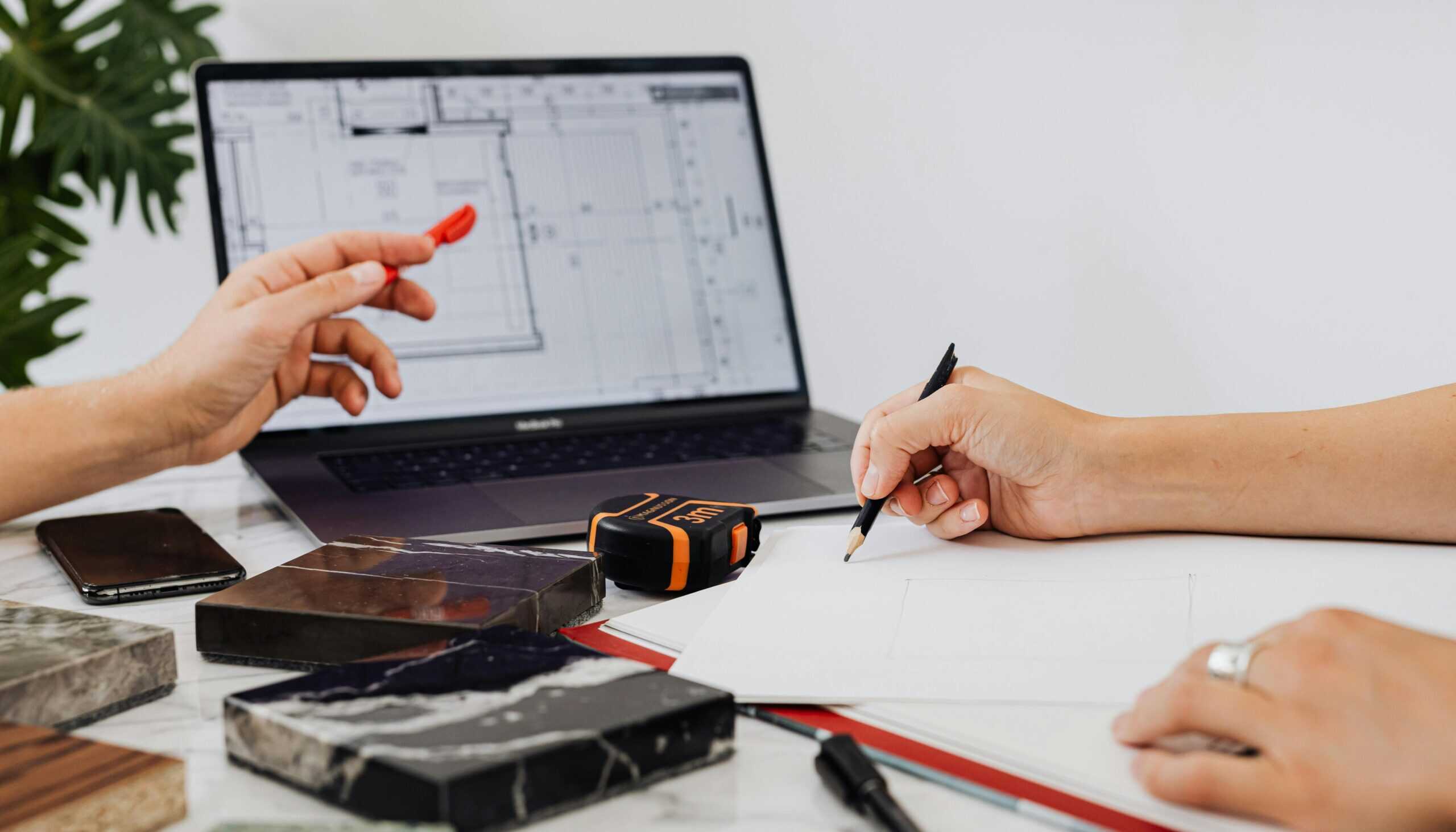
That’s the part people rarely picture when they think about choosing materials and finishes for a build or renovation. It feels like the fun stage — tiles, benchtops, tapware, flooring, the things that will actually make the home feel like yours. And it is. But it’s also one of the areas where timing quietly decides whether your project stays smooth or starts to feel like it’s dragging.
More than how it looks
Every material and product you choose is doing more than one job. It shapes how the home looks, sure, but it also decides how much upkeep it needs, how well it holds up over the years, and — just as importantly — what it actually costs. Not just the price tag on the product itself, but the labour that goes into installing it. A cheaper tile that takes twice as long to lay properly isn’t actually the cheaper option once you look at the full picture. Neither is a lower-cost product that needs replacing again in five years.
That’s why it helps to know what you’re actually optimising for before you start looking. Is budget the priority? Durability? Low maintenance? Sustainability? The way a home looks in photos? Most people are weighing all of these at once without realising it, which is exactly what makes the process feel overwhelming. Getting clear on which of them matters most to you gives you a filter to run every decision through, instead of relitigating the same trade-offs with every single choice.
Why the timing matters as much as the choice
The other thing that catches people out is lead time. Some products are readily available — walk into most trade suppliers and you’ll find them on the shelf. Others, particularly anything more specialised, come from a smaller pool of suppliers, with longer waits and less flexibility if you change your mind late. Neither is wrong. But not knowing which category something falls into, until it’s already holding up your build, is where the stress creeps in.
Leaving these decisions too late doesn’t just risk delay. It can mean the design and construction documentation move past the point where a preferred product still fits cleanly — the detailing around it, the way it connects to everything else, has already been locked in around a different assumption. Untangling that later costs more than choosing well the first time would have.
What that can actually cost
To put a number on it, here’s an example scenario, just the kind of math that plays out when a selection slips past the point it needed to be made:
A tapware choice is left open until the week that cabinetry is due to be finished. The preferred model turns out to be six weeks from stock. The plumber and cabinetmaker, both scheduled around a two-day finish, are stood down and have to be re-booked once the substitute product arrives — call it three lost trade days at a combined rate of roughly $1,200 a day, or $3,600. The substitute tapware is available faster, but needs to be freighted in ahead of schedule, adding another $450. And because it’s not quite the same footprint as the original, the benchtop cutout needs minor rework on site — another $600 or so.
Add it up, and a decision that could have been made calmly in week one, with no cost attached at all, ends up costing somewhere in the order of $4,500–$5,000 and three weeks of schedule — for a product that was never actually in question, just late.
Getting it right feels different
When this part of a project is handled early and well, it stops feeling like a hundred small stressful decisions and starts feeling like building the home you actually want. It also opens up something worth thinking about: the products and materials you choose are also a chance to support suppliers and makers whose values line up with yours, and to bring a bit more warmth and connection to nature into your home through the materials themselves — timber, stone, natural fibres — which research consistently links to genuine wellbeing benefits, not just aesthetics.
A few things make this whole process easier. Start collecting and documenting what you’re drawn to early, even before it’s final — a running selections list saves you from starting from scratch later. Always check a manufacturer’s specifications and warranty conditions against your actual site, especially if you’re near the coast, where salt air can rule out products that would be fine a few streets back. And if health, allergies or air quality are a genuine concern for your household, it’s worth bringing in a building biologist to guide your interior selections specifically.
None of this needs to be overwhelming. It just needs a bit of structure and a bit of a head start.
If you’re at the stage of thinking through finishes and fixtures for your own project, download this free guide or we can talk through where to start.